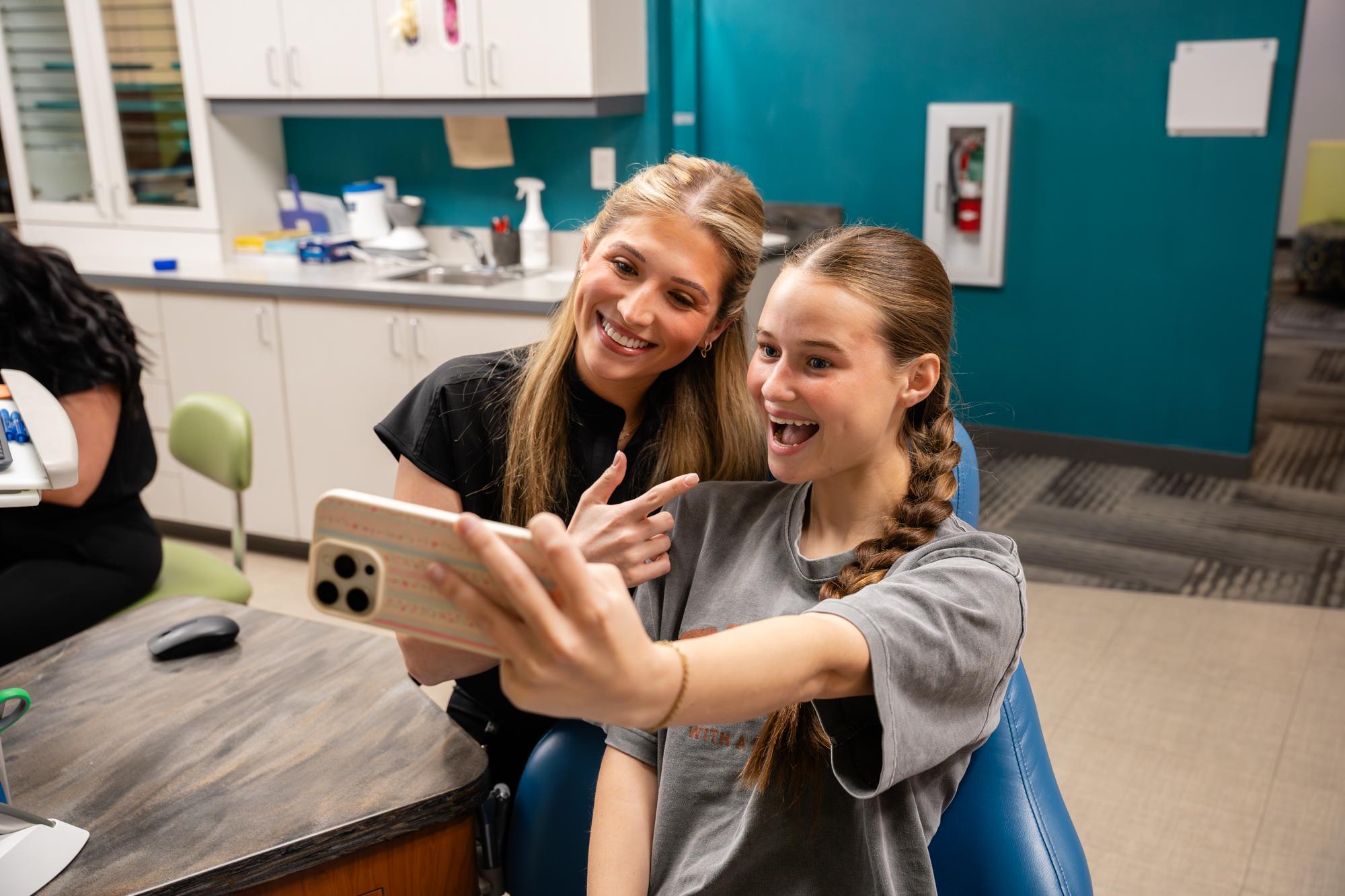
Wondering when it’s the right time to schedule that first orthodontist visit? You’re not alone. The answer depends on age, dental development, and specific concerns, but there are clear guidelines that can help you make the call with confidence.
What Is the Right Age to See an Orthodontist?
The American Association of Orthodontists (AAO) recommends that every child have their first orthodontic evaluation by age 7. At this age, enough permanent teeth have come in for Dr. Feldman to spot developing bite issues while jaw growth is still active. Teens typically begin active treatment between ages 11 and 15, when most permanent teeth have erupted. Adults can start treatment at any age, and results are excellent when the plan matches the biology.
Timing matters because bone growth affects how efficiently teeth move. Younger patients often respond more quickly. Adults respond well too, just with a slightly different approach that takes their fully formed bone structure into account.
Here’s something worth knowing. Not every early visit leads to immediate treatment. In many cases, we simply monitor growth through our pre-orthodontic observation program until the timing is right. That first free consult is about information, not pressure. Patients and their families leave with clarity, not a hard sell.
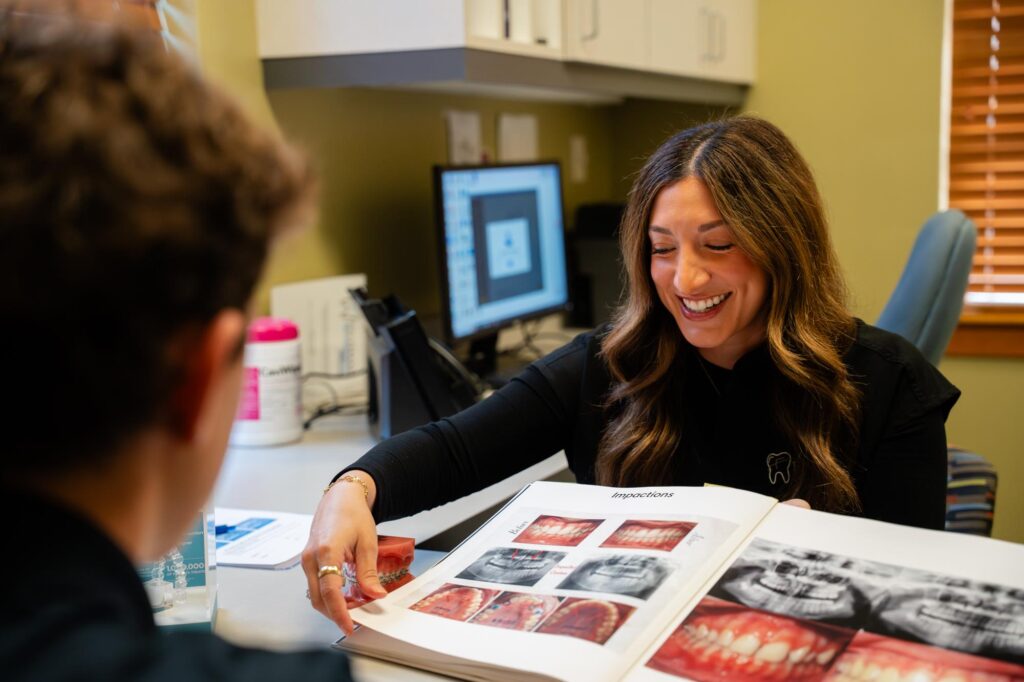
How Orthodontic Timing Works at Each Life Stage
Each age group brings different opportunities. Here’s how the timeline typically unfolds at Feldman Orthodontics.
What Happens for Kids Ages 7 to 10?
The first visit at age 7 is usually a look-and-see appointment. Dr. Feldman examines how the jaw is developing and how permanent teeth are coming in. If a Phase 1 interceptive treatment is needed, it often lasts 6 to 12 months and focuses on guiding jaw growth, creating space, or correcting crossbites early. Most kids at this age don’t need braces yet, but the evaluation itself sets the foundation for smart timing later.
What Is the Observation Period?
Between Phase 1 and Phase 2, kids enter our pre-orthodontic observation program. We check in periodically to monitor how permanent teeth are erupting. There’s no cost for these visits, and they help us catch the right moment to begin full treatment. It’s a low-pressure way to stay ahead of any changes without committing to treatment before it’s truly needed.
Why Are Teens 11 to 15 the Prime Window?
This is often the most efficient time for full treatment. Growth spurts are still happening, most permanent teeth are in place, and teens can wear braces or clear aligners for around 18 to 24 months. It’s a good fit for family schedules too, since summer breaks and school years line up well with adjustment visits. Teens also tend to bounce back quickly from any initial soreness, making the experience smoother overall.
Can Adults Start Treatment at Any Age?
Adult treatment works on fully developed bone, so it typically takes a bit longer, often 18 to 36 months depending on complexity. Modern options like clear aligners make treatment discreet and comfortable for busy professionals and parents. Age is not a barrier, and many adults find that finally straightening their smile is one of the most rewarding choices they’ve made.
What Does the First Consult Include?
At Feldman Orthodontics, your first visit includes an exam, digital X-rays when needed, and a personalized timeline from Dr. Feldman. It’s completely free, and you leave with real answers. Our team takes time to acquaint ourselves with your needs so the plan truly fits your life.
Why Does the Retainer Phase Matter?
After active treatment ends, retainers keep everything in place. This step is non-negotiable for lasting results, no matter your age. Teeth naturally want to shift back over time, and wearing retainers as directed protects the investment you just made in your smile.
Benefits of Seeing an Orthodontist at the Right Time
Timing your first visit well can shape the entire experience. Here’s what patients and their families gain when they follow the AAO recommendation.
How Does Early Timing Help With Bite Correction?
Catching crossbites, deep bites, or open bites early lets Dr. Feldman guide growth rather than work around a finished structure. That often means simpler treatment later. Early bite correction while the jaw is still developing takes advantage of a window that closes as kids get older, so acting during growth years usually leads to better long-term outcomes.
Can Early Treatment Reduce the Need for Extractions?
Guiding jaw growth in kids can create room for permanent teeth to erupt naturally. In many cases, this eliminates the need to remove permanent teeth as a teen or adult. Fewer extractions mean less time in the chair, fewer visits, and a more natural finished result.
Does Early Care Prevent Bigger Interventions Later?
When bite issues are addressed during growth years, patients often avoid jaw-alignment interventions later in life. Early action saves time, money, and complexity. It’s the kind of preventive thinking that pays off for decades.
Beyond those core benefits, timing your care well delivers several other advantages worth noting.
- Better oral hygiene. Straight teeth are easier to brush and floss. That means fewer cavities, healthier gums, and better long-term dental health for the whole family.
- A confidence boost during formative years. Middle school, high school, senior photos, first jobs. These moments matter. Straight teeth during these years can shift how a teen feels about smiling, speaking up, and being in front of a camera.
- Improvements in breathing, sleep, and chewing. Misaligned bites can contribute to mouth breathing, restless sleep, and difficulty chewing certain foods. Correcting alignment often improves these day-to-day quality-of-life issues.
- A partnership with your orthodontist over time. Starting early builds a relationship. You get to know our team, Dr. Feldman gets to know your child’s development, and treatment feels like a natural next step rather than a leap.
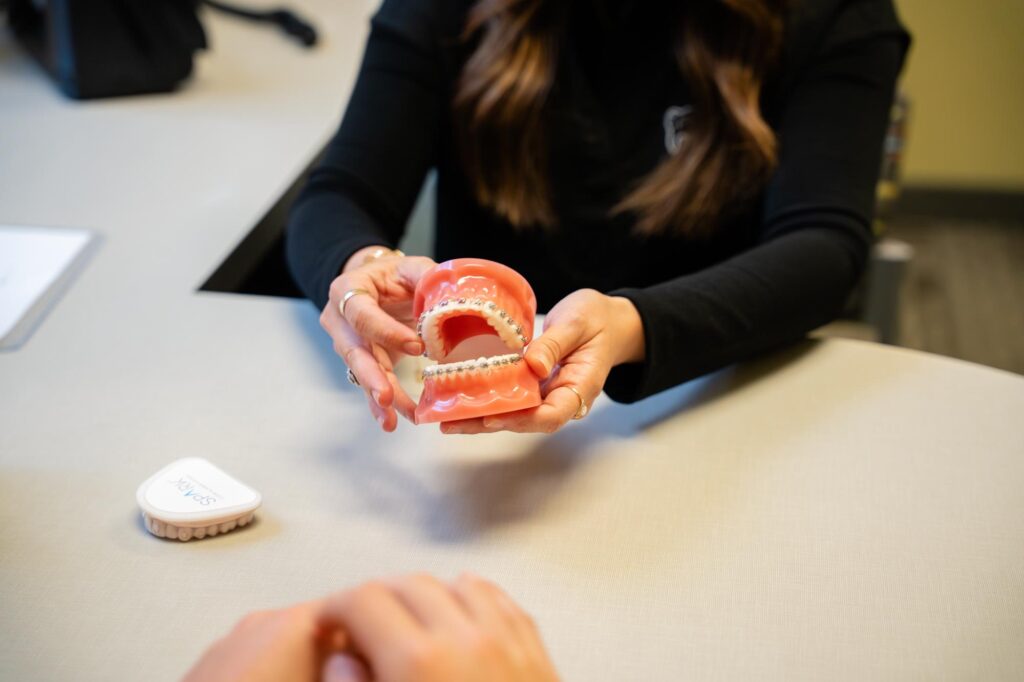
Kids vs. Teens vs. Adults: How Timelines Compare
Every age brings its own advantages. Here’s a side-by-side look at how treatment typically compares across life stages at Feldman Orthodontics.
| Age Group | Ideal Window | Typical Duration | Common Issues Addressed | Options Available |
|---|---|---|---|---|
| Kids (7-11) | Ages 7-10 for evaluation | 12-18 months (Phase 1) | Crossbite, crowding, jaw growth guidance, thumb-sucking effects | Phase 1 appliances, expanders, partial braces |
| Teens (11-15) | Ages 11-14 for full treatment | 18-24 months | Crowding, spacing, bite correction, alignment | Traditional braces, clear aligners for teens |
| Adults (18+) | Any age | 18-36 months | Shifted teeth, worn bite, cosmetic concerns, TMJ discomfort | Traditional braces, clear aligners for adults |
Kids get the benefit of growth guidance. Teens hit the sweet spot of efficient tooth movement combined with adaptable schedules. Adults have modern options that fit around work, family, and existing care they’ve already received.
At Feldman Orthodontics, you have access to all of these options, including braces, braces for teens, braces for adults, clear aligners for teens, and clear aligners for adults. Every plan starts with a free consultation where Dr. Feldman reviews your specific situation and lays out the choices clearly.
What Affects When You Should Start Treatment
Not every mouth follows the same schedule. Several factors influence the right start time.
Severity of bite issues. A significant crossbite, deep overbite, or noticeable crowding may need earlier attention. Milder cases can often wait until more permanent teeth arrive.
Growth stage. For kids and teens, we look at how much jaw growth is left. Starting during peak growth years can shorten treatment and improve results.
Impacted teeth, crowding, or spacing. Teeth that are stuck under the gumline, crowded to the point of overlapping, or spaced too widely may prompt an earlier plan. Panoramic X-rays help Dr. Feldman see what’s happening beneath the surface.
Existing restorations for adults. Crowns, bridges, implants, and previous fillings all affect the treatment plan. Adults sometimes need coordination with a general dentist, and Dr. Feldman handles that communication for you.
Patient readiness. Braces and clear aligners require good hygiene habits and consistent wear. Kids and teens who are ready to take that on tend to do better than those who aren’t yet.
Cost and financing. Cost varies based on treatment length and complexity. We offer payment plans and can discuss insurance options during your free consult to help make treatment accessible for patients and their families.
Signs You Should See an Orthodontist Now
Sometimes the timeline speaks for itself. If you notice any of these signs, it’s time to book a free consult.
For kids (ages 6-11):
- Mouth breathing or snoring at night
- Thumb sucking or pacifier use past age 4
- Early or late loss of baby teeth
- Crowded, overlapping, or blocked-out teeth
- Jaw shifting, popping, or clicking
- Difficulty chewing or biting food
For teens (ages 11-17):
- Visible crowding as permanent teeth come in
- Teeth that stick out noticeably
- A bite where the top and bottom teeth don’t meet properly
- Speech difficulties tied to tooth position
- Feeling self-conscious about smiling
For adults (18+):
- Jaw discomfort, clicking, or TMJ issues
- Teeth that have shifted since previous braces
- Worn or chipped teeth from an uneven bite
- Gum inflammation caused by crooked teeth
- Cosmetic concerns about your smile
If any of these apply to you or your child, our team at Feldman Orthodontics is ready to help. Schedule a free consultation and get real answers from Dr. Feldman. We’re here to serve you and make every patient feel welcome, comfortable, and confident from the very first call.

Frequently Asked Questions
At what age should I first see an orthodontist?
The AAO recommends a first orthodontic evaluation by age 7. At this age, Dr. Feldman can spot developing bite issues while jaw growth is still active and permanent teeth are erupting. Many kids don’t need treatment right away, but the evaluation itself is valuable and completely free at Feldman Orthodontics.
Should a 7-year-old go to an orthodontist?
Yes. A visit at age 7 doesn’t mean braces are on the way. It means Dr. Feldman can evaluate jaw development, spot early bite issues, and either recommend a pre-orthodontic observation plan or a short Phase 1 treatment if needed. Early evaluation often prevents bigger issues later.
How long do braces last for a 14-year-old?
Braces for a 14-year-old typically last 18 to 24 months, though the exact timeline depends on the complexity of the case. Teens often see efficient results because their jaws are still growing, which helps teeth respond well. Dr. Feldman provides a personalized timeline at your free consultation.
Is $6,000 too much for braces?
Orthodontic treatment costs vary widely based on complexity, duration, and the type of appliance used, so it’s hard to label any single figure as typical without knowing the specifics. At Feldman Orthodontics, we offer payment plans and walk you through all financing details at your free consult so you can make the best choice for your family’s budget.
Am I too old for braces as an adult?
No. Teeth can move at any age, and adult orthodontic treatment produces excellent results. Modern clear aligners for adults offer a discreet option that fits into busy professional and family life. Dr. Feldman treats adults regularly and creates plans that work around any existing restorations you may already have.
Do I need a referral to see an orthodontist?
No referral is needed. You can book a free consultation directly with Feldman Orthodontics by calling us or scheduling online. Whether you’re a parent bringing in a 7-year-old for a first look or an adult ready to straighten your own smile, our team is here to serve you. Schedule your free consultation today.